Season 02 — GROUNDFourth floor — Gallery 4 · on the floor All makers →
ECHO
ECHO is a recurring exhibition that asks when something stops being waste and becomes material again. Each edition takes a different residual stream as its starting point.
01Practice
ECHO is a recurring exhibition that asks when something stops being waste and becomes material again. Each edition takes a different residual stream as its starting point, and gathers makers around that single source.
It was initiated and is curated by Maaike Rabbinge, who also takes part as a maker.
02Why this maker, and where
This edition, From Residue to Form, works with aluminium from Nedal: the offcuts, the rejected extrusion profiles, and the access panels designed to stay hidden inside street lighting poles.
Thirteen makers, one material source, the floor of Gallery 4. Each work begins where the industrial process ends. What remains, returns — an echo in material, repeated, reformed, renewed.
03The collective13 makers
Maaike Rabbinge
Eenvoud Ontwerp
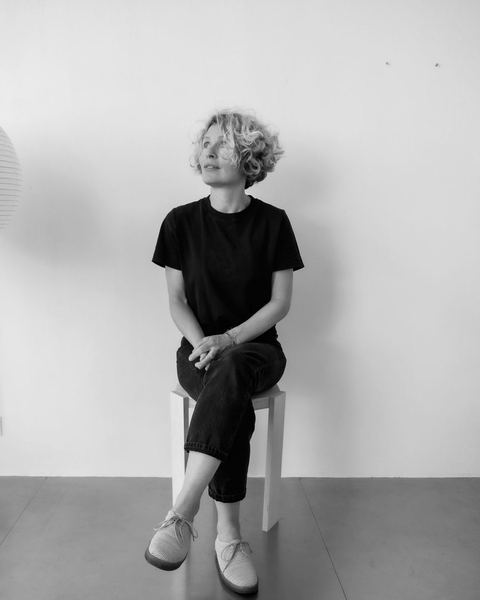
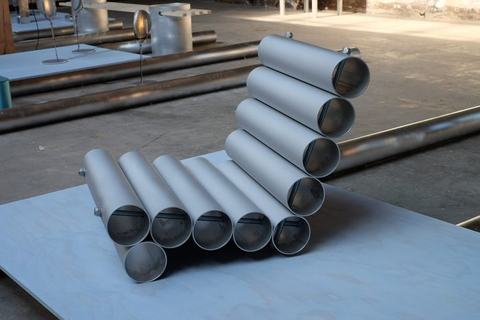
Works from the conviction that what already exists carries its own design logic. For ECHO, which she initiated, she used the access panels from street lighting poles — components designed to stay hidden inside the structure. She brought them out.
Maaike Rabbinge works under the name Eenvoud Ontwerp, from the conviction that what already exists contains its own design logic. She works with dimensions, connections and traces of previous use — letting the material decide the outcome rather than imposing a predetermined form.
3 works →
Coen Beeksma
Studio Beeks
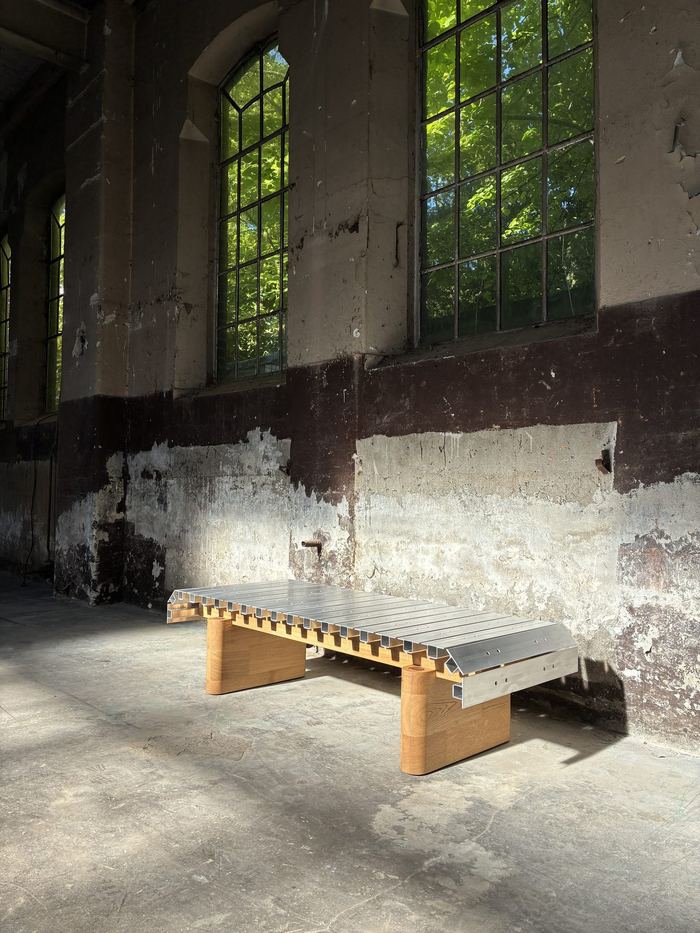
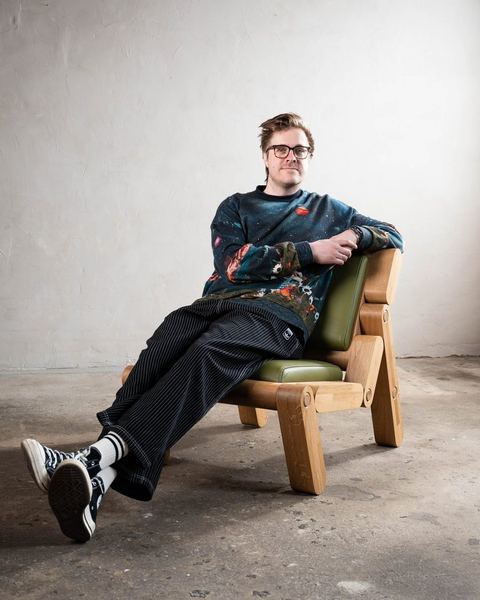
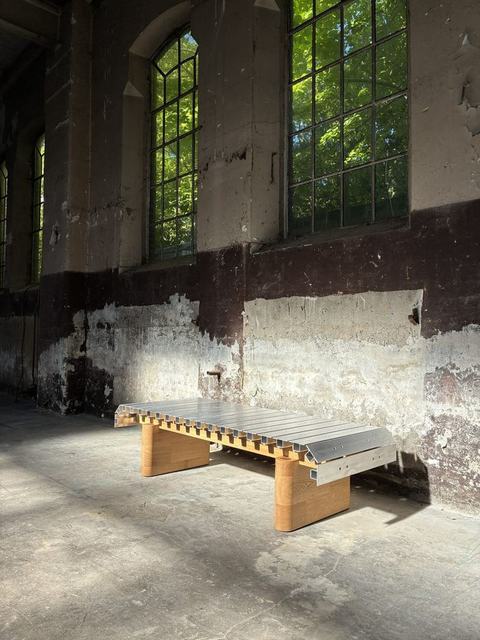
Furniture design and material research, with a focus on honest construction. His bench is the only piece in ECHO combining two structural materials: solid oak and reclaimed aluminium.
Coen Beeksma works under the name Studio Beeks, at the intersection of furniture design and material research, with a consistent focus on honest construction and the inherent qualities of the materials he works with.
1 work →
Sophie Wantia
Studio Wantia
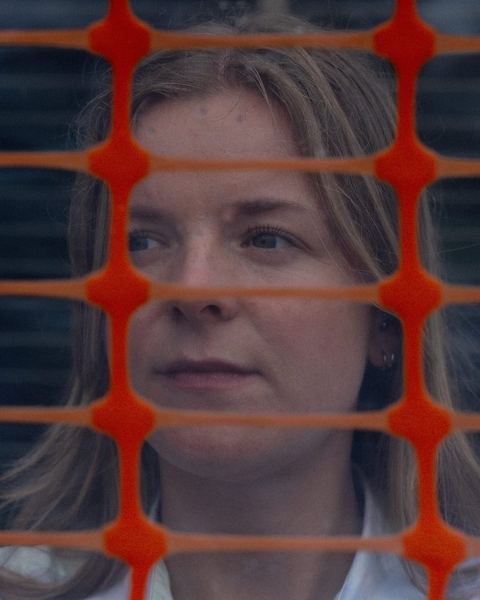
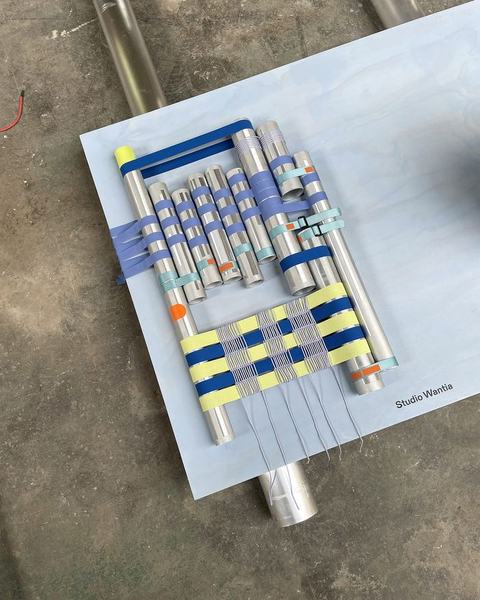
Graphic and playful pattern, driven by textile and colour. She used aluminium tubes as a weaving material: the only textile work in ECHO. The tubes are still tubes, and also warp and weft.
Studio Wantia is a design studio focused on graphic and playful pattern. Driven by textile, colour and research, the studio explores pattern as a hybrid, cross-disciplinary form.
1 work →
Frank Penders
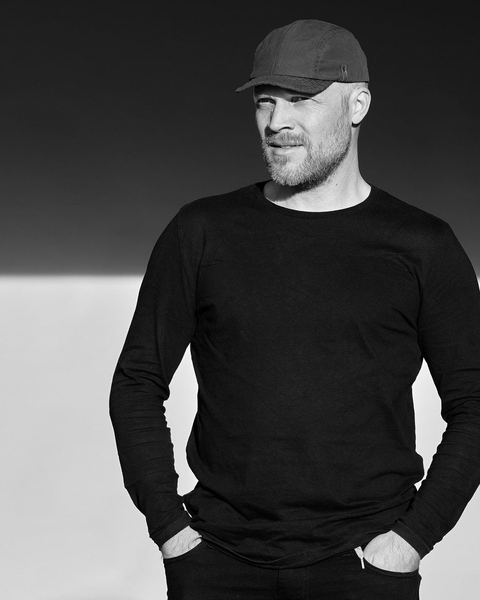
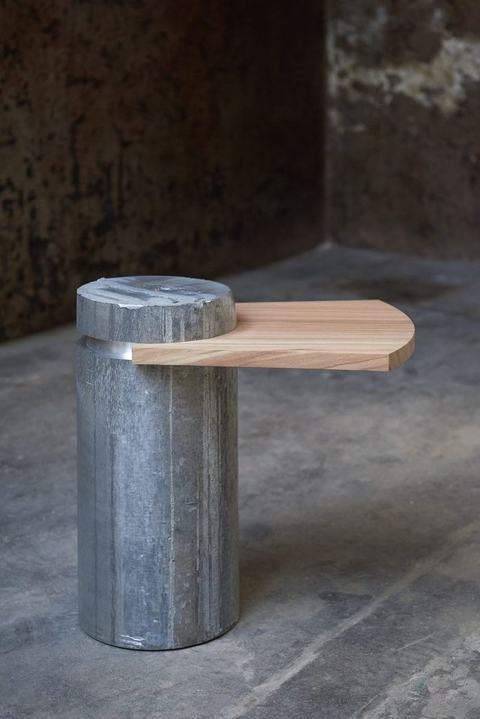
Material research and spatial presence, combining aluminium with local Douglas fir and elm. Not expression as a goal, but presence as a prerequisite.
Frank Penders is a designer and maker whose work is grounded in material research and spatial presence. He works with local and residual materials — aluminium, Douglas fir, elm — combining them through precise, considered construction.
2 works →
Erwin Woldring
EWOL
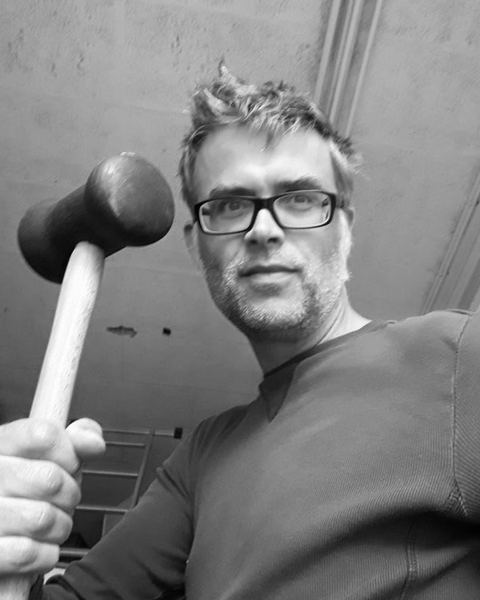
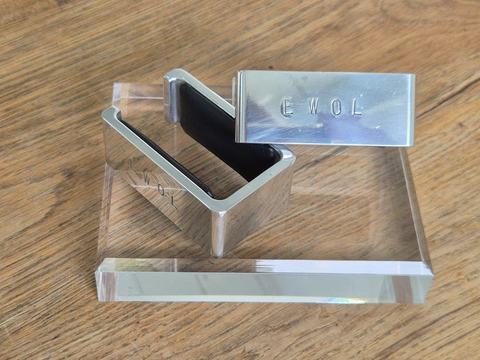
A craftsman known for handmade electric guitars. He contributes the two most contrasting objects in ECHO — a lamp that anchors a room and a bracelet worn against skin, from the same discarded stock. The difference in scale is the point.
Erwin Woldring works under the name EWOL. He is a craftsman and product designer known primarily for his handmade electric guitars, each individually stamped with a logo and serial number. His practice is rooted in material honesty and the pursuit of form through direct making.
2 works →
Marc Th. van der Voorn
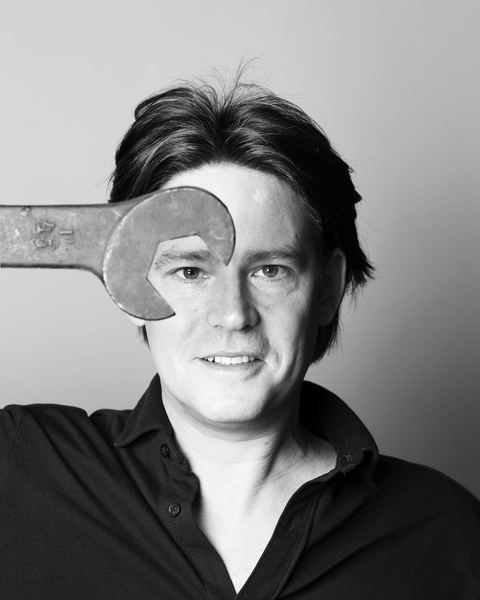
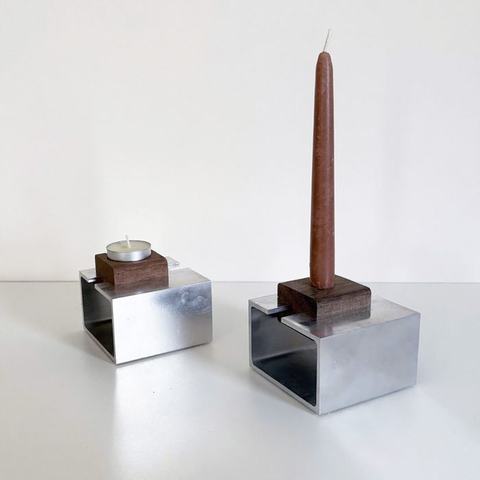
Designs flexible connections that shift with whatever residual aluminium is at hand. The most domestic object in ECHO: material that once carried current through a street pole now holds a flame.
Marc Th. van der Voorn is a product designer working hands-on and collaboratively, where material exploration and development are closely connected. His aim is to develop consumer products together with manufacturers and brands — objects that begin as singular experiments and open up into series.
1 work →
Jeroen van Veluw
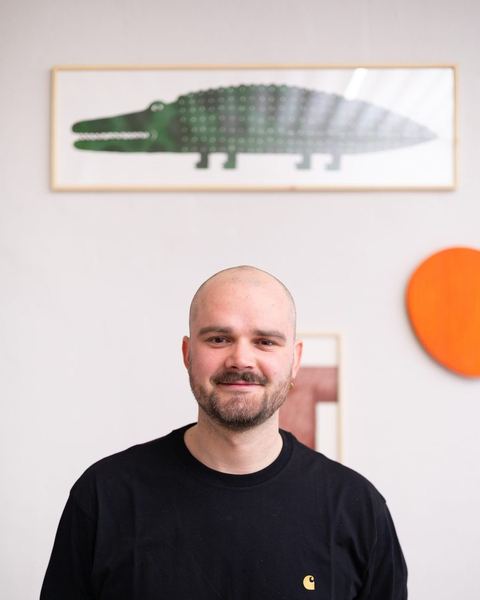
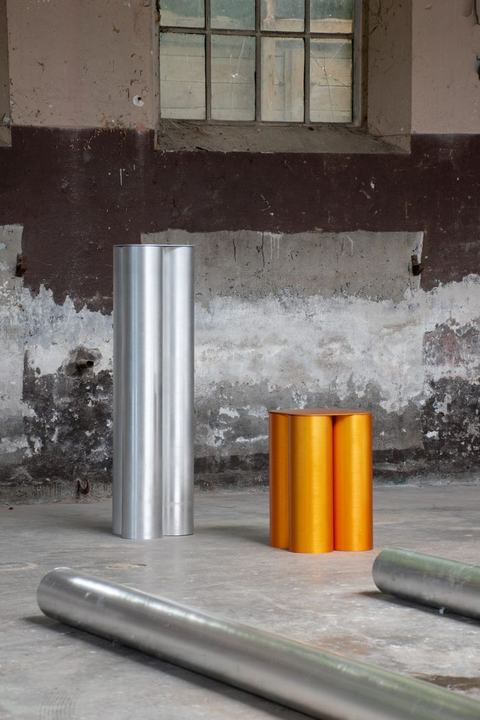
Designs for permanence, shaped by an interest in animism and by growing up in Ghana. Two objects under one title, one anodised and one raw, asking what aluminium becomes when it is treated as material worth attending to.
Jeroen van Veluw is a product and exhibition designer based in Utrecht. His work is shaped by a deep interest in animism — the belief that objects carry their own spirit, their own relational weight. In a culture of rapid replacement, he designs for permanence.
2 works →
Ritsert Mans
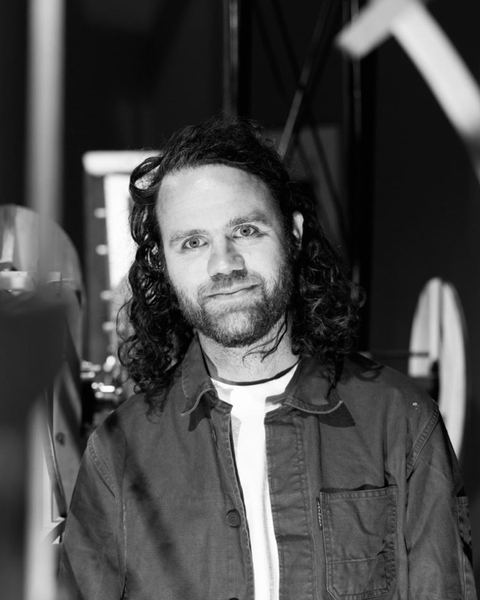
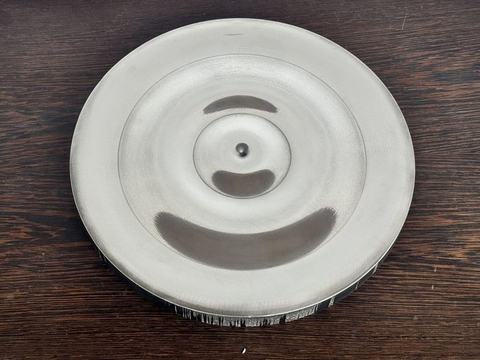
Explores how materials are experienced once removed from their original context. He brings two registers: a bowl that looks like it grew, and a flashlight that looks like a drawing of one.
Ritsert Mans explores the relationship between technology, nature and perception. His work investigates how materials, objects and systems can be experienced differently when removed from their original context.
2 works →
Cynthia & Kevin Kars-Boom
Studio Kars + Boom
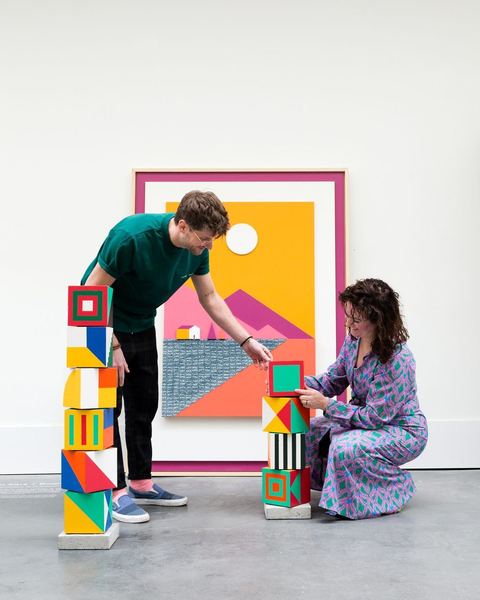
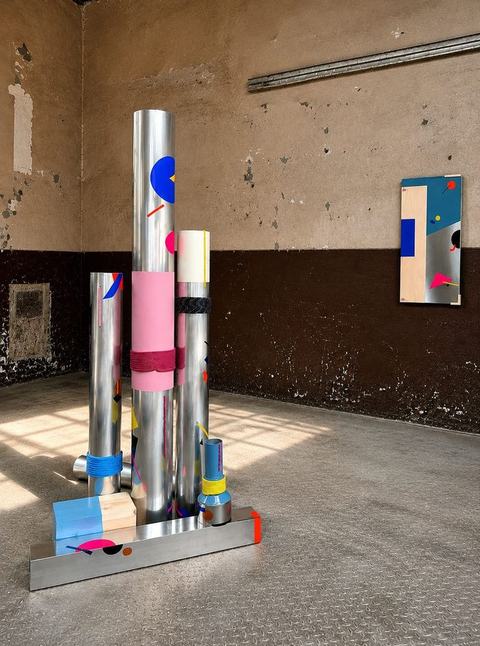
Colour, rhythm and material reduced to their essence. Where most of ECHO speaks in silver and grey, they wrap the aluminium in vinyl, paint and rope. The poles are still recognisable, and also something else entirely.
Studio Kars + Boom operates at the intersection of art and design. Driven by curiosity, Cynthia and Kevin translate observations of the world around them into colourful compositions, objects, installations and imagined environments.
1 work →
Billie-Jo Krul
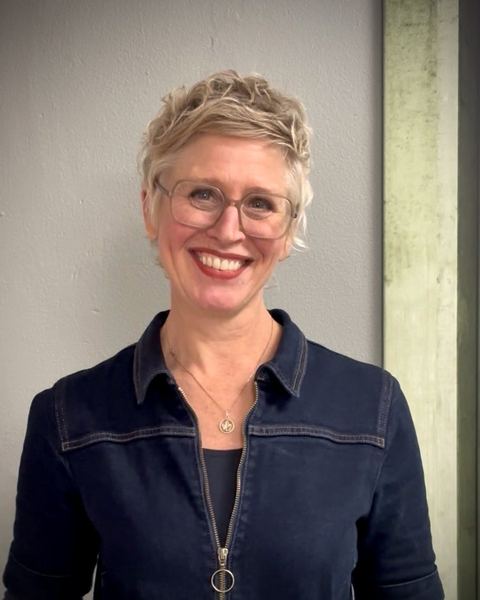
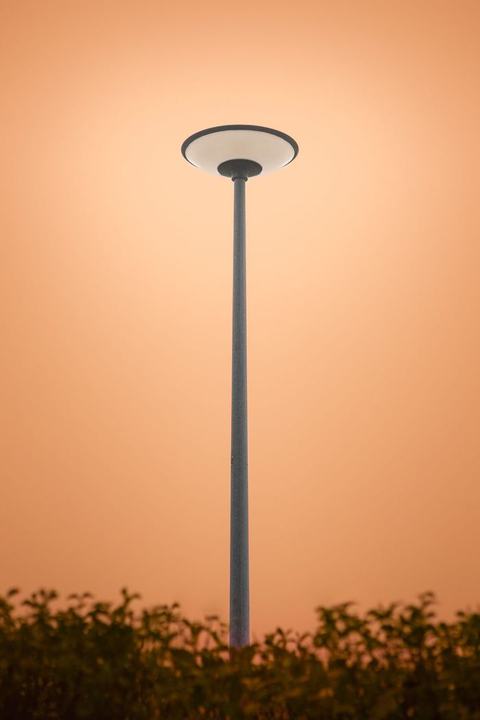
A Dutch-Canadian photographer using the camera for emotional archaeology. Street lighting poles recur throughout her work — not as infrastructure, but as stand-ins for human presence. Where the others transform the residue of production, she transforms the residue of experience.
Billie-Jo Krul is a Dutch-Canadian photographer with a background in art history from Utrecht University. Her work moves between photography and fine art, using the camera as a tool for emotional archaeology.
3 works →
Jan Willem van Elten
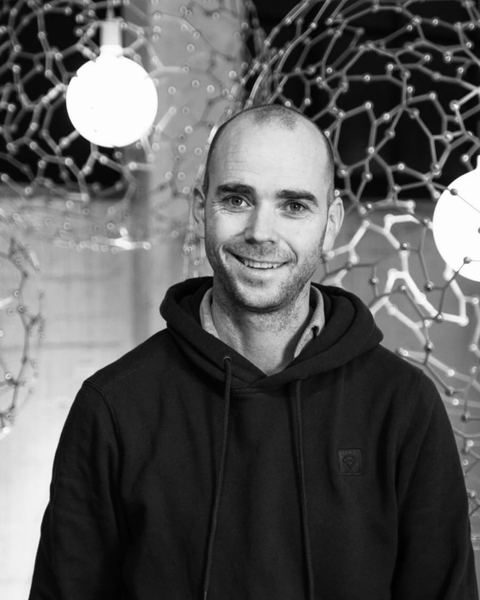
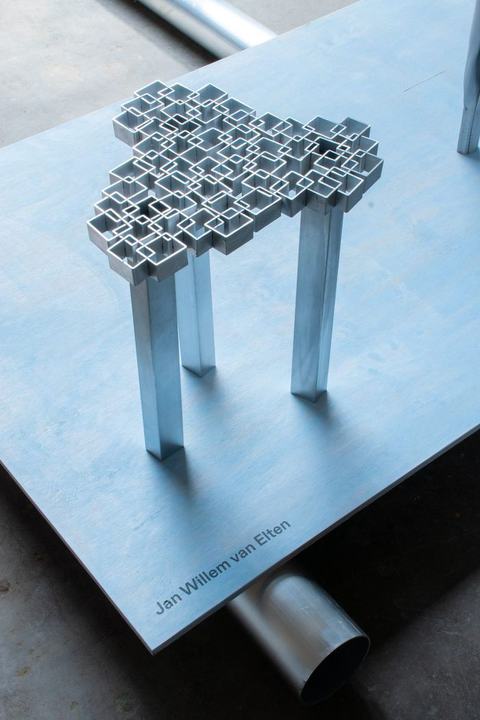
Economy of means: as much as possible with as little as necessary. REST is made from a single profile that was already out of spec when it left the factory. It had its first life in a system. Now it holds a glass.
Jan Willem van Elten is a designer with a background in product and spatial design. His practice is defined by economy of means: doing as much as possible with as little as necessary. He works with found and residual materials, using their existing properties as the starting point for form.
1 work →
Frederik Wasseur
Welder at Nedal
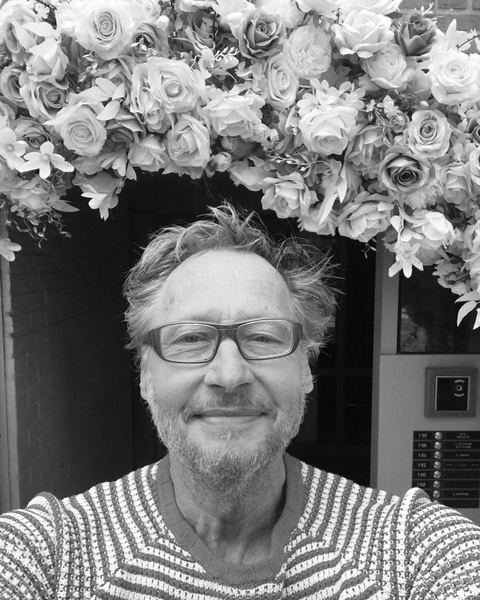
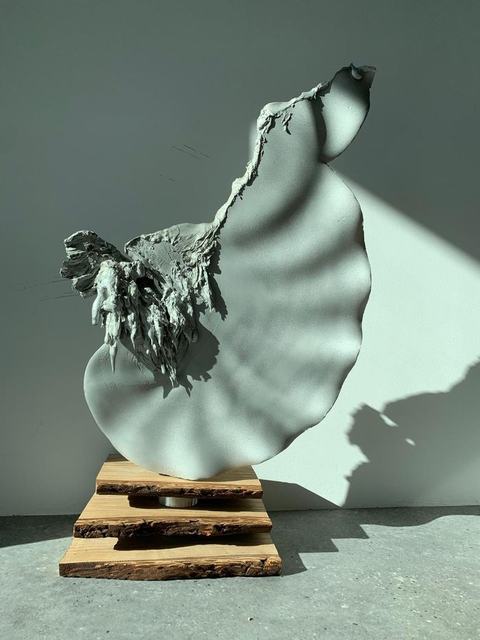
An aluminium expert welder at Nedal, he knows the material from the inside. His work begins with the profiles that fail quality control. He is the only maker present at the moment the material is refused, and that proximity is inseparable from the work.
Frederik Wasseur works as an aluminium expert welder at Nedal, involved daily in the production of aluminium extrusion profiles. He knows the material from the inside — its tolerances, its failures, its silences.
1 work →
Zowa Rindt
ZOWA
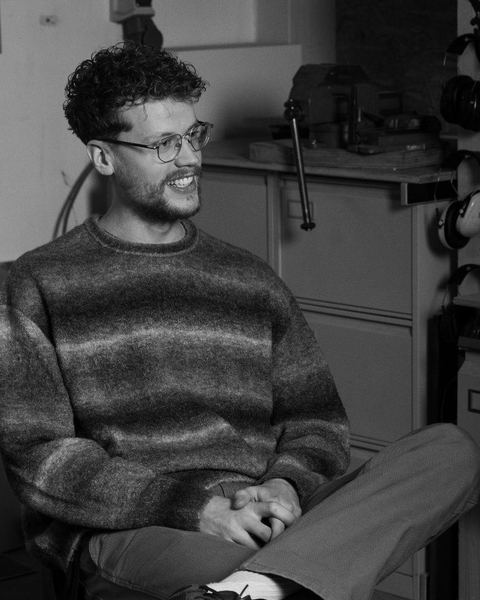
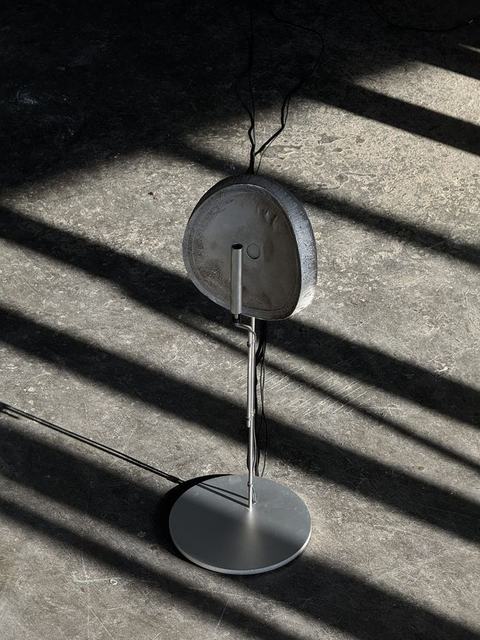
Designs without unnecessary additions: no superfluous components, no finish applied from outside. The surface is the result of making, not of coating. Sway is three parts and no decoration. The lamp does not announce itself. It stands.
ZOWA designs objects with a focus on material and simplicity. The aim is to design without unnecessary material additions: every visible part or detail not only serves a visual role but also contributes to the functionality of the whole.
1 work →
Sales enquiries for every ECHO work are coordinated by Maaike Rabbinge, who initiated the collective — not by MADART Foundation. 100% of the sale proceeds go to the maker.
—More makers30 in the register
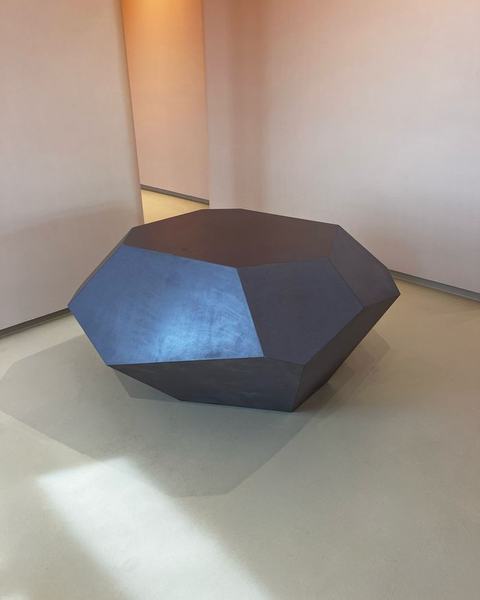
Aad Kruiswijk
Fourth floor — Gallery 2 · on the floor
8 works
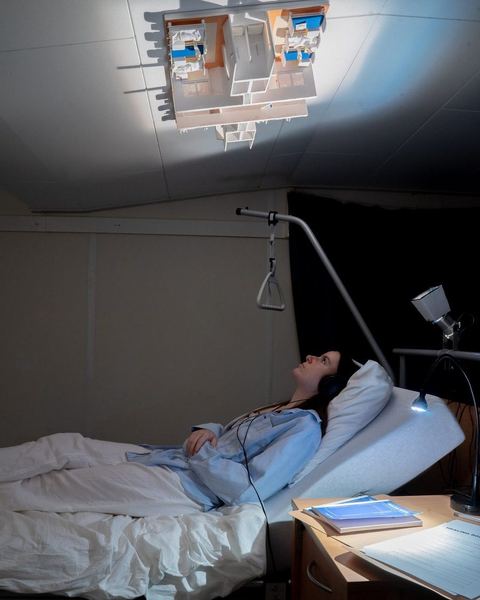
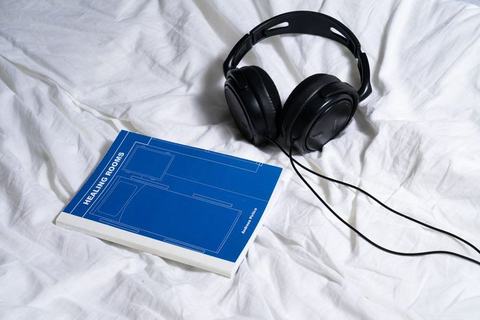
Andreea Pirlica
Second floor — Running presentation
1 work
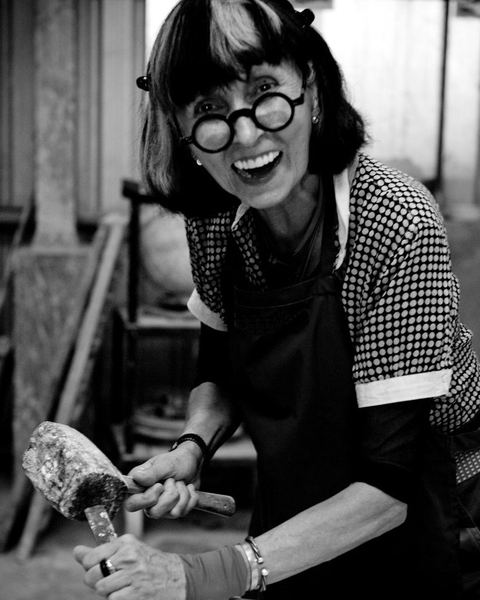
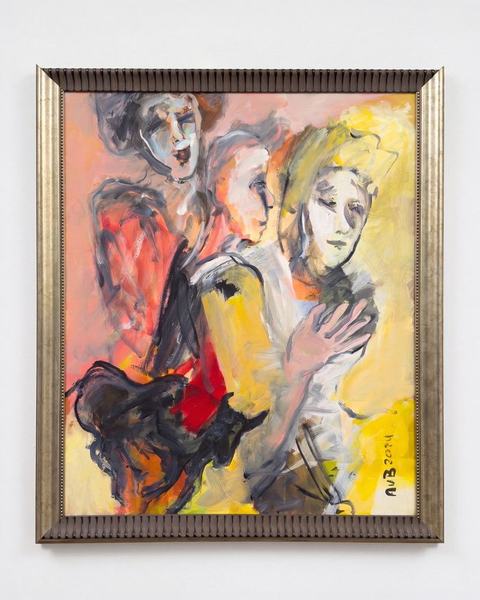
Anne van Borselen
Fourth floor — Gallery 1
13 works
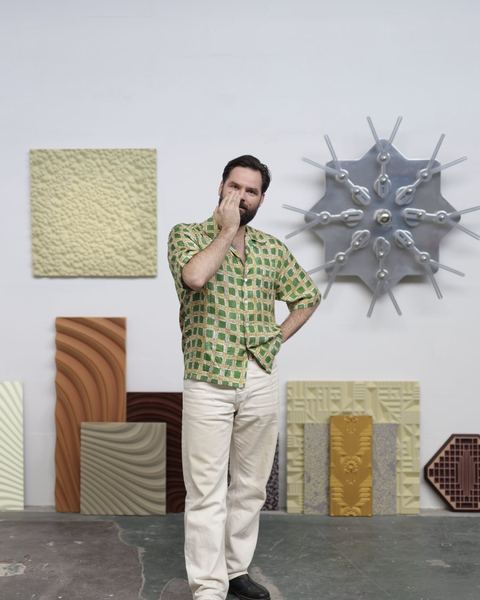
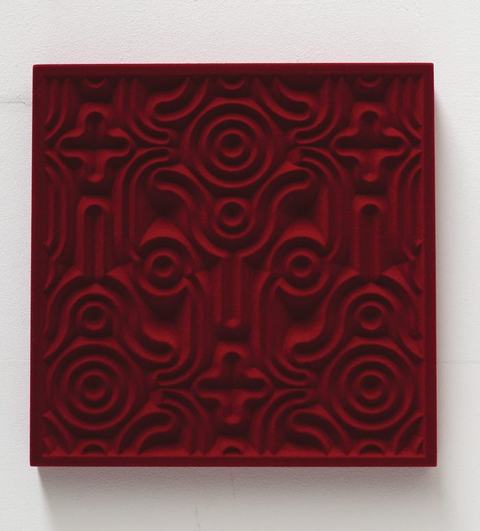
Arno Hoogland
Fourth floor — Gallery Lounge
10 works
Billie-Jo Krul
Fourth floor — Gallery 4 · on the floor
3 works
Coen Beeksma
Fourth floor — Gallery 4 · on the floor
1 work
Cynthia & Kevin Kars-Boom
Fourth floor — Gallery 4 · on the floor
1 work
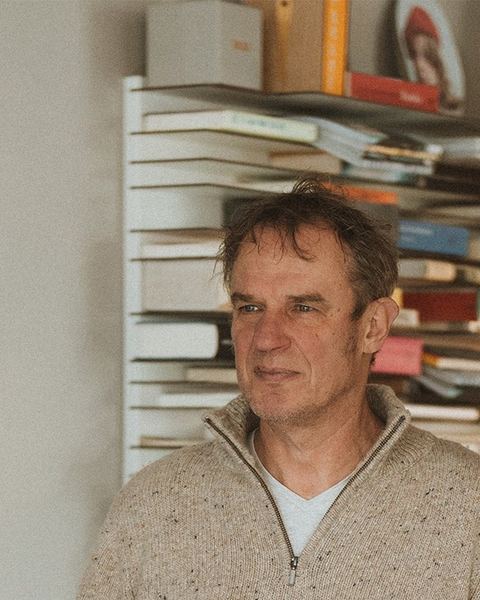
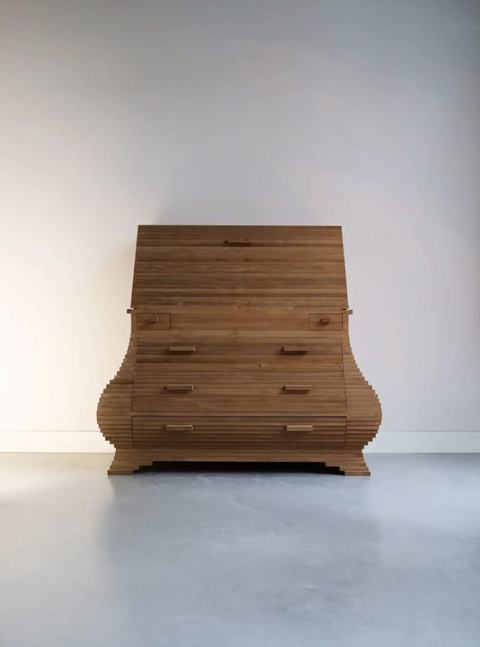
Eric Sloot
Sixth floor — The Drawing Room / The Dining Room
3 works
Erwin Woldring
Fourth floor — Gallery 4 · on the floor
2 works
Frank Penders
Fourth floor — Gallery 4 · on the floor
2 works
Frederik Wasseur
Fourth floor — Gallery 4 · on the floor
1 work
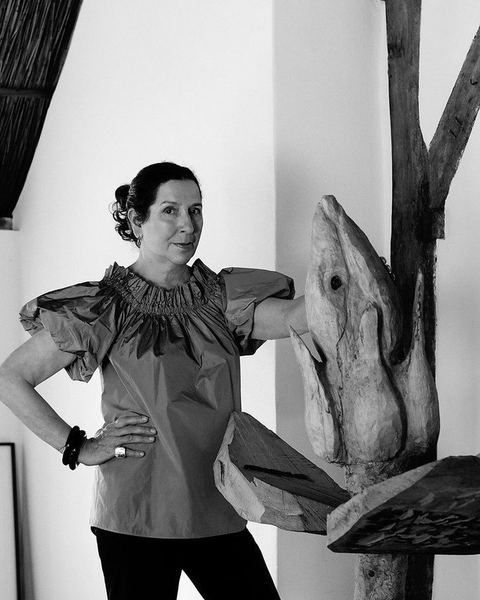
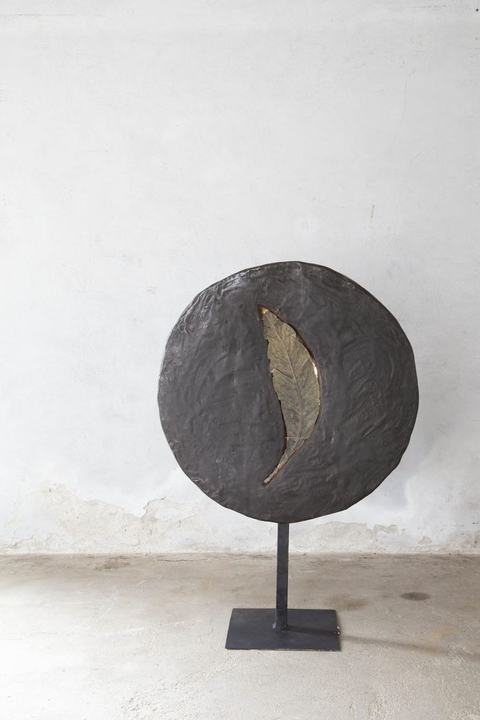
Herma de Wit
Ground floor / Fourth floor / Fifth floor — Staircases
3 works
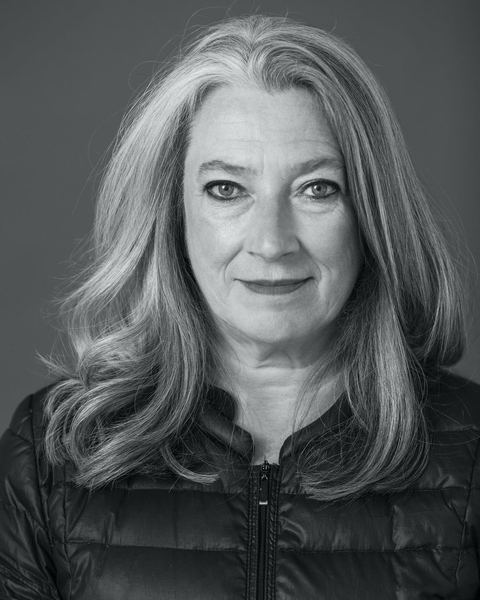
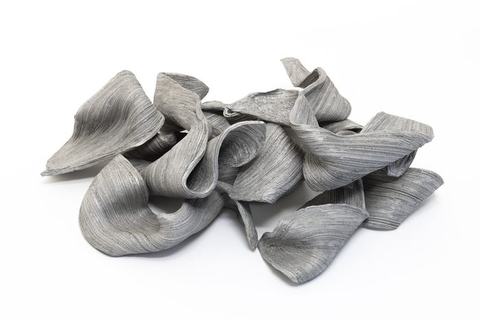
Inge Bečka
Sixth floor — The Drawing Room / The Dining Room / The Conservatory / The Parlour · throughout the rooms
14 works
Jan Willem van Elten
Fourth floor — Gallery 4 · on the floor
1 work
Jeroen van Veluw
Fourth floor — Gallery 4 · on the floor
2 works
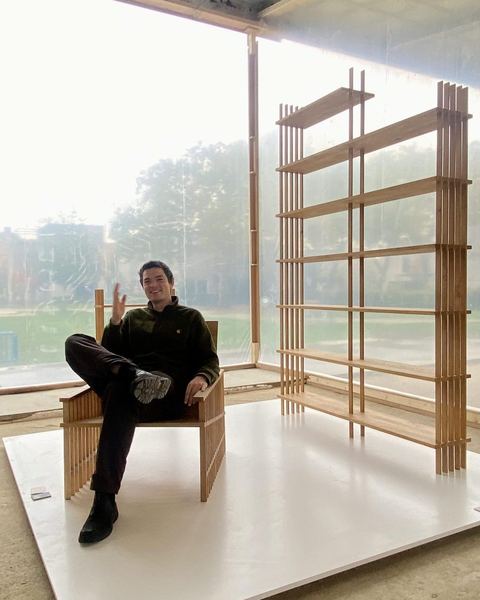
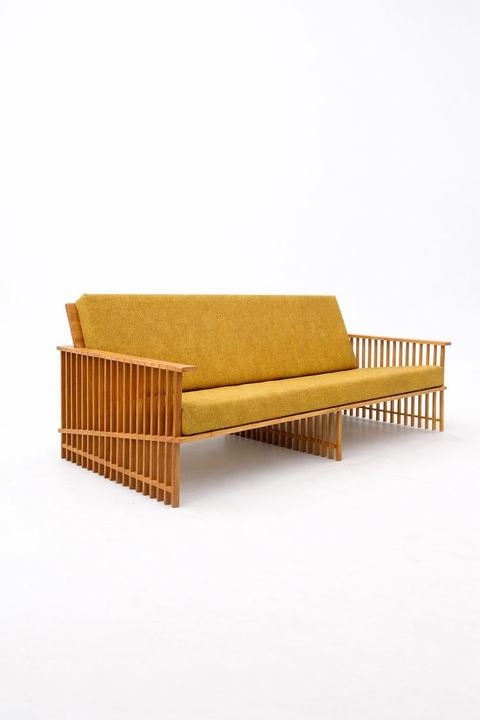
Jim Bob Ruijgrok
Sixth floor — The Parlour
4 works
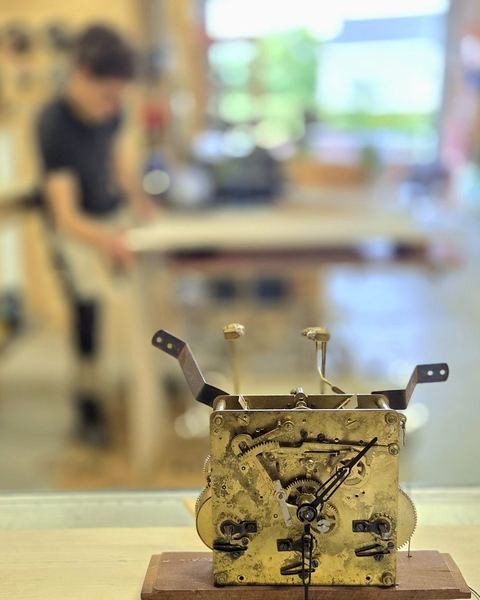
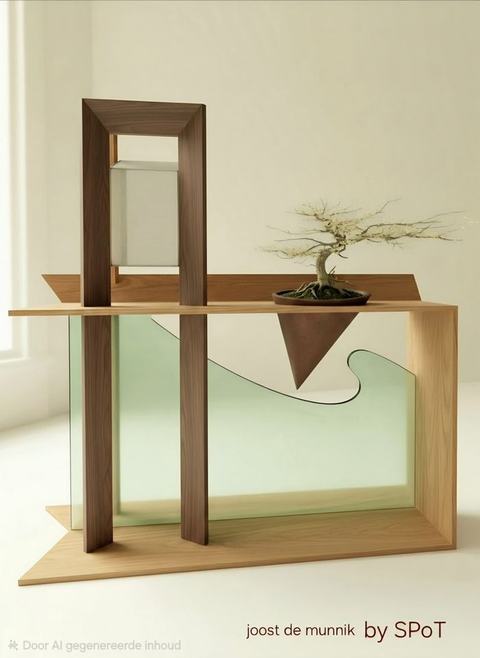
Joost de Munnik & Ruud van den Eijnden
Sixth floor — The Conservatory
1 work
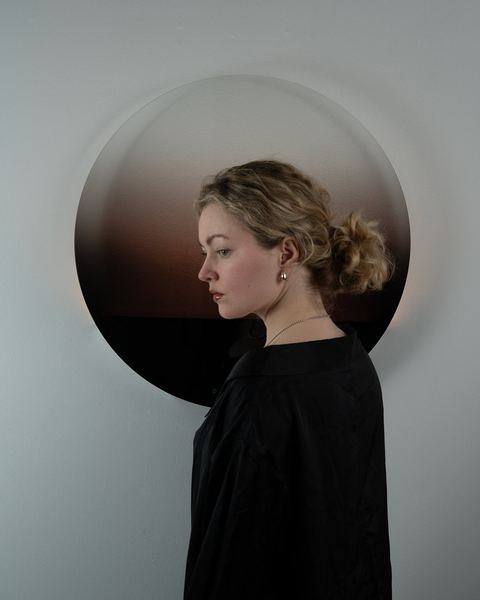
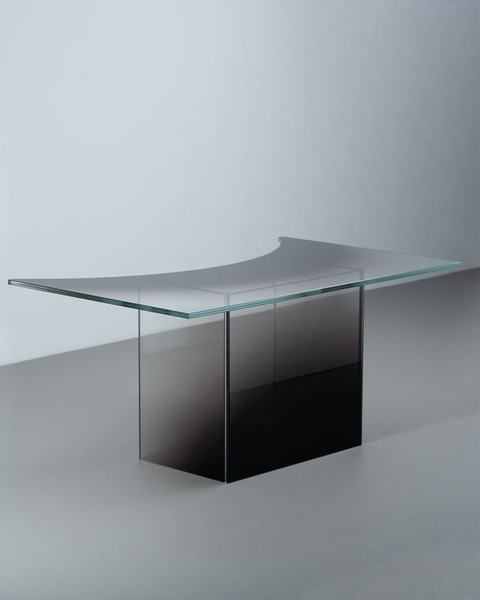
Lilia Luganskaia-Kuilder
Sixth floor — The Hall
3 works
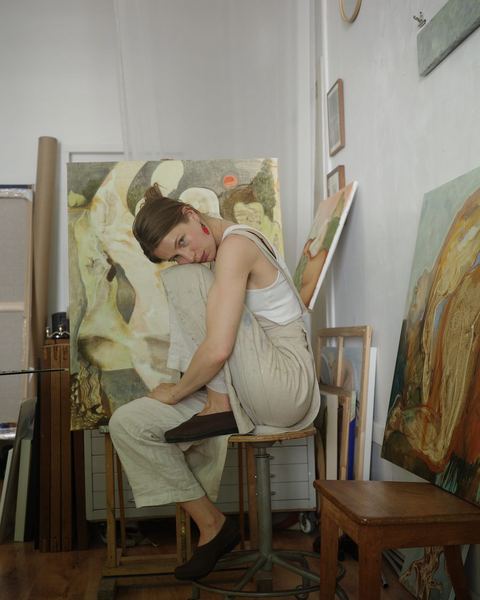
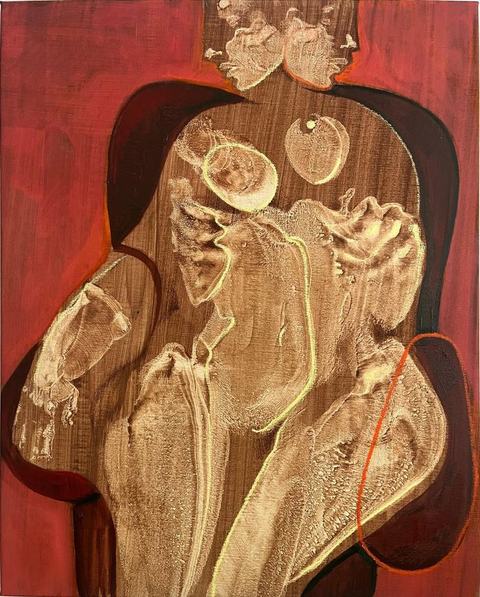
Loutje Hoekstra
Fourth floor — Gallery 4 · on the walls
9 works
Maaike Rabbinge
Fourth floor — Gallery 4 · on the floor
3 works
Marc Th. van der Voorn
Fourth floor — Gallery 4 · on the floor
1 work
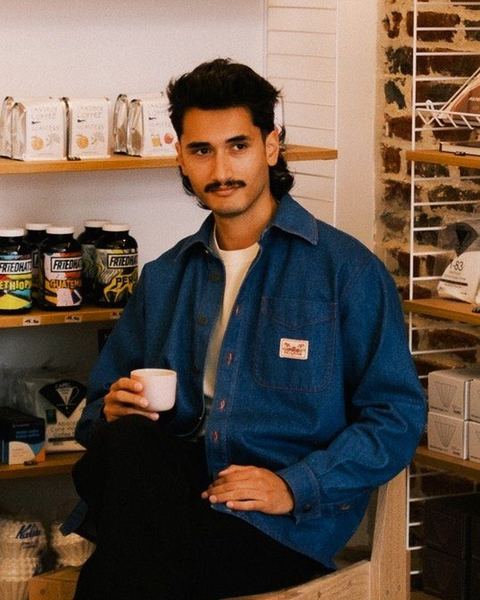
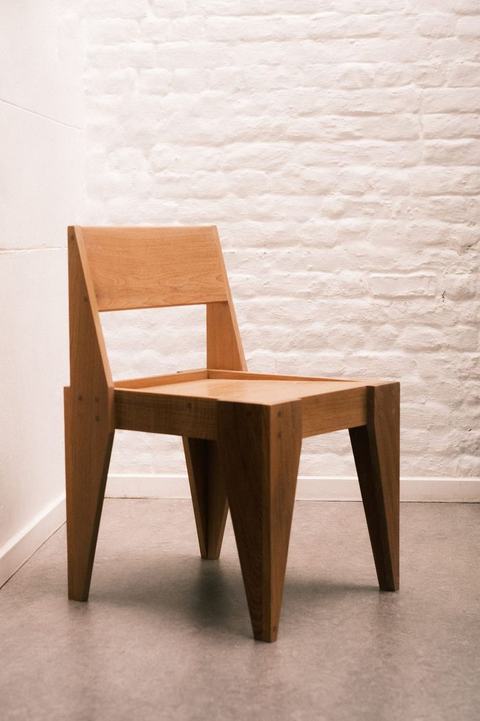
Marnix Van Strydonck
Sixth floor — The Dining Room / The Parlour
4 works
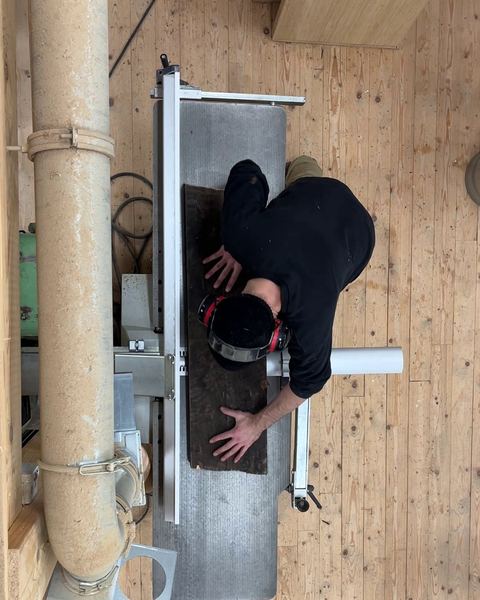
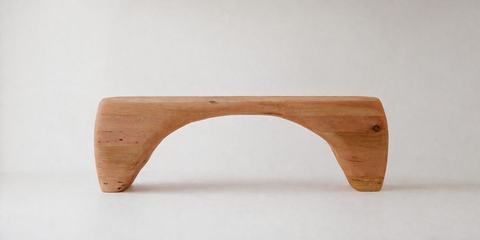
Maurice Albert Jan
Sixth floor — The Drawing Room / The Dining Room / The Parlour
4 works
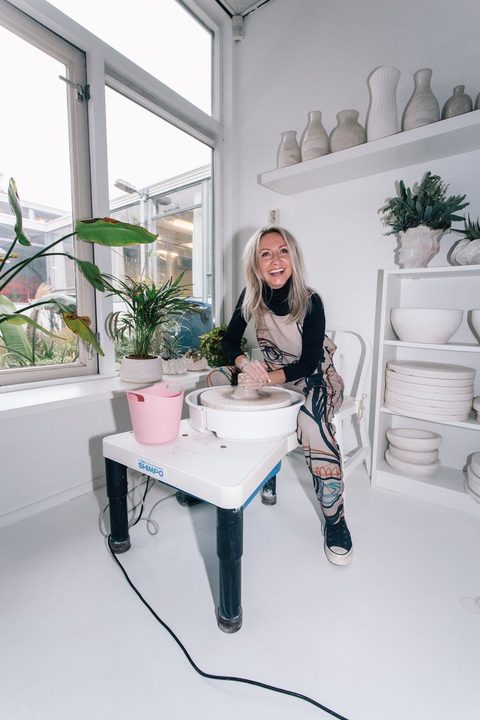
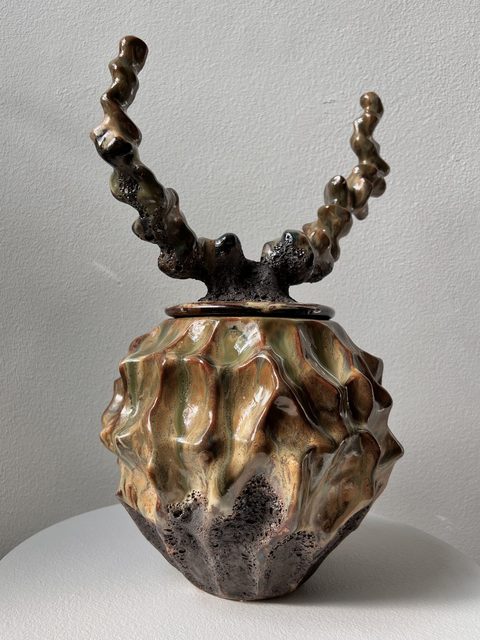
Natalia Wyspianska
Sixth floor — The Drawing Room / The Dining Room / The Conservatory / The Parlour · throughout the rooms
12 works
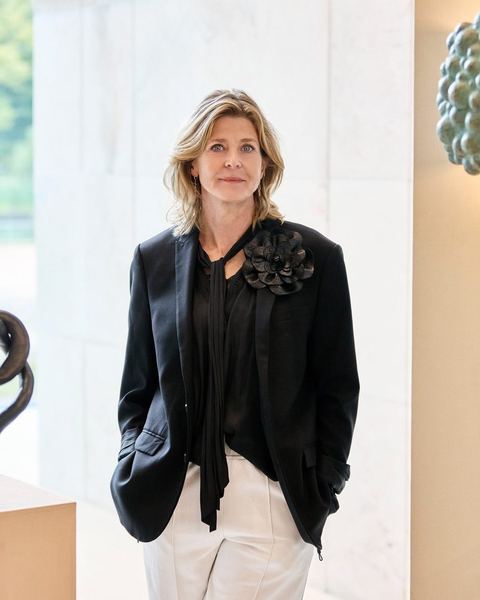
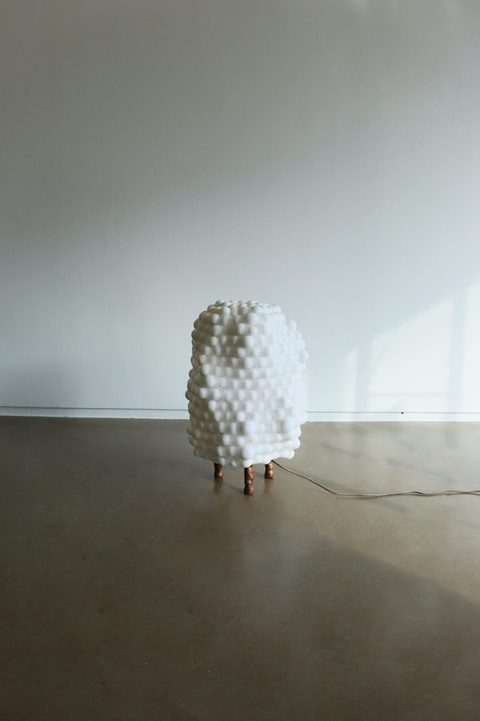
Nicolette de Waart
Sixth floor — The Drawing Room
4 works
Ritsert Mans
Fourth floor — Gallery 4 · on the floor
2 works
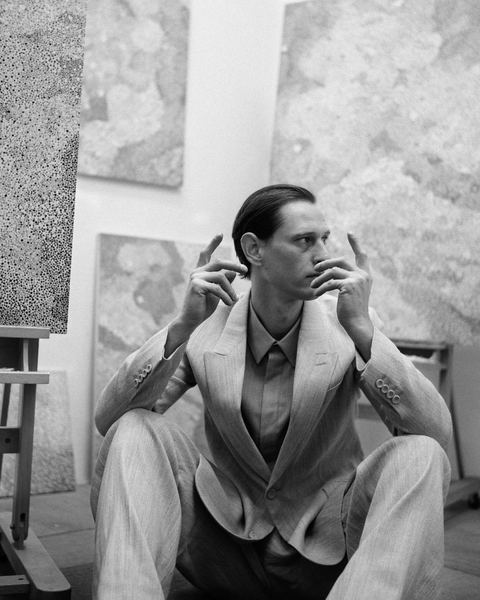
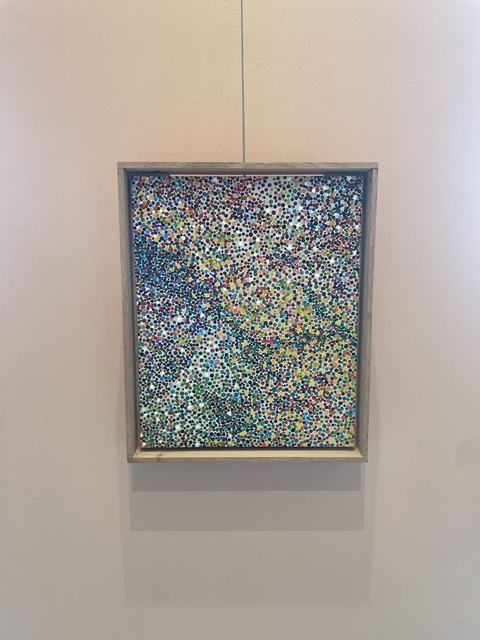
Rogier Bosschaart
Fourth floor — Gallery 2 · on the walls
5 works
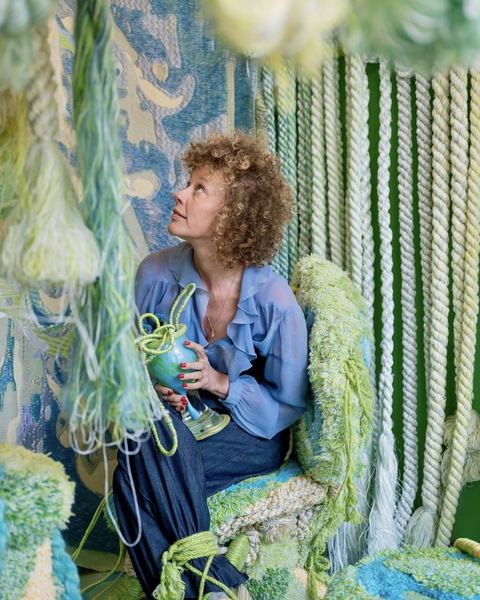
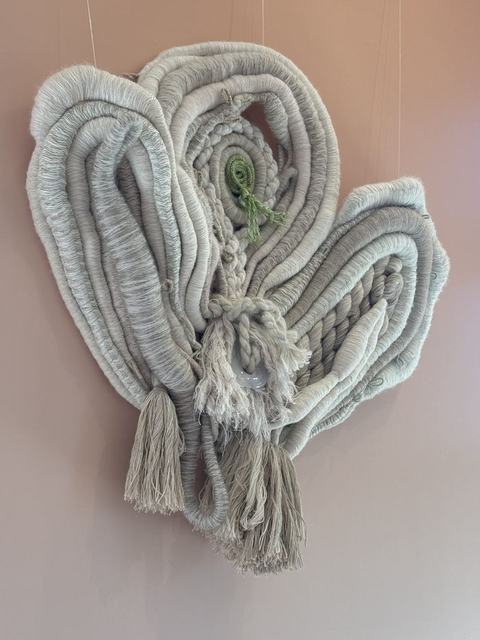
Sandra Keja Planken
Fourth floor — Gallery 3
8 works
Sophie Wantia
Fourth floor — Gallery 4 · on the floor
1 work
Zowa Rindt
Fourth floor — Gallery 4 · on the floor
1 work